Synthetic roofing
Synthetic slate and shake roofing in Fort Worth and the DFW area
Synthetic roofing is the category most homeowners don't know exists until we show them a sample. It's engineered polymer or composite material designed to look exactly like slate, wood shake, or cedar — but without the weight, the fire risk, the insect problems, or the premium price tag. For homeowners who love the look of a traditional material but don't want to take on the headaches or the structural work, synthetic is often the right answer. It's one of the fastest-growing categories in residential roofing, and for a lot of DFW homes it's a smarter choice than the material it's imitating.
What it is
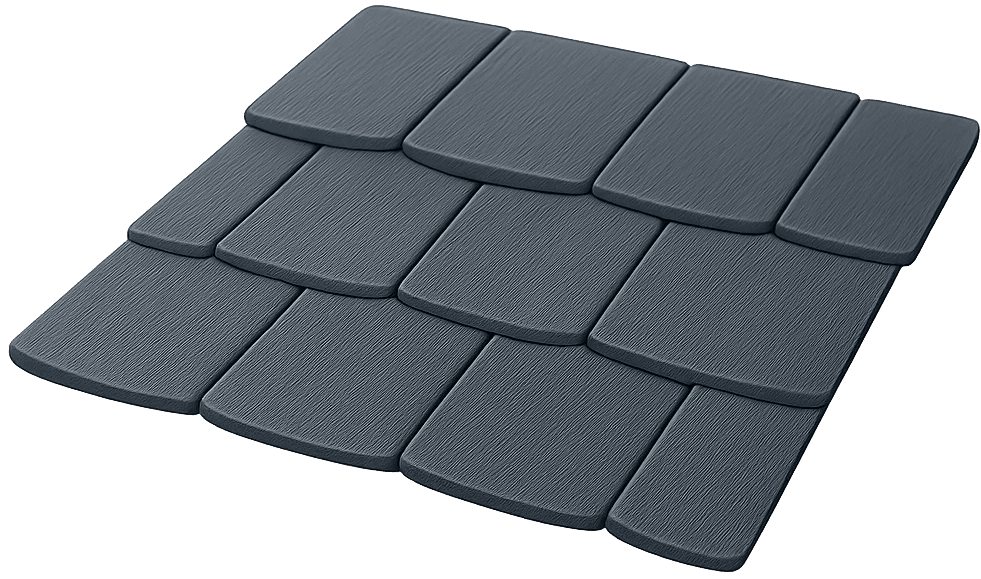
Synthetic roofing tiles are made from engineered polymer blends — usually a mix of recycled rubber, plastic, and virgin resins — molded and colored to mimic the exact look of natural slate or cedar shake. The best products are cast from real slate and shake so the texture reads as authentic even up close. They're lightweight, durable, impact-resistant, and install on standard framing without reinforcement.
The two most common categories in DFW:
Synthetic slate: Molded polymer tiles that look like natural slate but weigh a fraction of the real thing. Available in traditional gray tones or custom color blends.
Synthetic shake: Molded to look like hand-split cedar shakes, but fire-resistant, insect-proof, and not subject to HOA wood-shake restrictions.
Best for
The right fit for a specific set of homeowners.
Homeowners who want the look of slate or shake without the weight or cost
Homes in HOAs that restrict real wood shake
Long-term homeowners who want a premium look with a long service life
Custom, historic-style, and high-end homes where curb appeal matters
Homeowners who want Class 4 impact resistance built in
Key features
A few reasons synthetic has been gaining ground fast.
Looks nearly identical to real slate or shake at arm's length
Weighs about the same as asphalt — no structural reinforcement needed
Most products come with Class 4 impact rating standard
Fire-resistant (Class A with proper underlayment)
Color is built into the material, not painted on
Backed by long manufacturer warranties
Material composition
Modern synthetics are more engineered than most people realize.
Recycled rubber and/or plastic content
Virgin polymer resins for durability and UV stability
Built-in UV inhibitors and color pigments
Some products include limestone or mineral fillers for dimensional stability
Estimated lifespan
Long by residential roofing standards.
Most synthetic slate and shake: 40-50 years
Premium products: 50+ years
Color fade is typically gradual and covered by warranty during the bulk of the lifespan
Cost range
Cheaper than the real thing, more expensive than asphalt.
Installed cost: $7.00 – $12.00 per sq. ft.
Roughly half the cost of real slate, and a fraction of the cost when you account for structural reinforcement that real slate would require
Competitive with mid- to upper-tier metal and tile
Maintenance needs
Among the lowest-maintenance options we install.
Routine inspections after major storms
Clearing debris from valleys and drainage paths
Individual tile replacement if damaged (straightforward, unlike real slate)
No sealing, painting, or recoating required
Visual style
The main reason homeowners choose synthetic.
Slate profile with authentic texture, varied thickness, and irregular edges
Shake profile with hand-split look and random widths
Available in single colors or blended multi-tone looks
Close-up inspection is usually required to tell it from the real thing
Warranty options
Among the strongest in roofing.
Manufacturer warranties: typically 50 years, often limited lifetime
Most products carry a 50-year color warranty
Impact and hail warranty coverage on many Class 4 products
Workmanship warranty through CWT: 15 years
Installation time
Similar to architectural asphalt.
Most residential installs: 2-5 days
No specialized equipment or reinforcement needed
Lighter weight means faster and safer install than real slate
Environmental impact
A genuinely green option in a category with few of them.
Many products use 60-95% recycled content
Fully recyclable at end of life
Long lifespan means less frequent replacement
No petroleum-heavy asphalt manufacturing footprint
Fire and weather ratings
Strong across every category.
Class A fire rating (with proper underlayment)
Wind resistance of 110-130+ mph
Class 4 impact rating standard on most products — one of the few materials where Class 4 is the default, not an upgrade
Excellent hail performance, which matters a lot in DFW
Available colors and styles
More variety than real slate, less variety than asphalt.
Slate colors: Traditional gray, weathered gray, slate black, green-gray, plum, mixed blends
Shake colors: Cedar, weathered wood, driftwood, mountain brown, aged gray
Profiles: Slate (flat, varied thickness), shake (dimensional, hand-split look)
Finishes: Textured matte — designed to mimic natural weathering
One thing worth knowing before you commit
Synthetic roofing is the best-kept secret in residential roofing for homes that want a high-end look without high-end tradeoffs. The main reason more people don't have it is that they've never heard of it — the category didn't really exist 25 years ago, and a lot of older contractors still don't offer it.
The important thing when choosing synthetic is sticking with the established manufacturers. There are premium brands with 25+ years of field data and there are cheaper knockoffs that haven't been in the field long enough to prove themselves. We only install products from manufacturers with a real track record.
Section Tag