Solar roofing
Integrated solar roofing in Fort Worth and the DFW area
Solar roofing used to be a novelty — expensive, temperamental, and mostly a showpiece for early adopters. That's not the case anymore. Integrated solar shingles and solar tiles are now a real option for DFW homeowners who want the energy savings of rooftop solar without the bolted-on panel look, and the federal tax credit plus Oncor's net metering policies make the numbers work out better than most people expect. It's still the most expensive option we install, and it's not right for every home. But for the right house and the right homeowner, it can turn the roof into an asset instead of a cost.
What it is
Solar roofing is a category, not a single product. There are two main approaches:
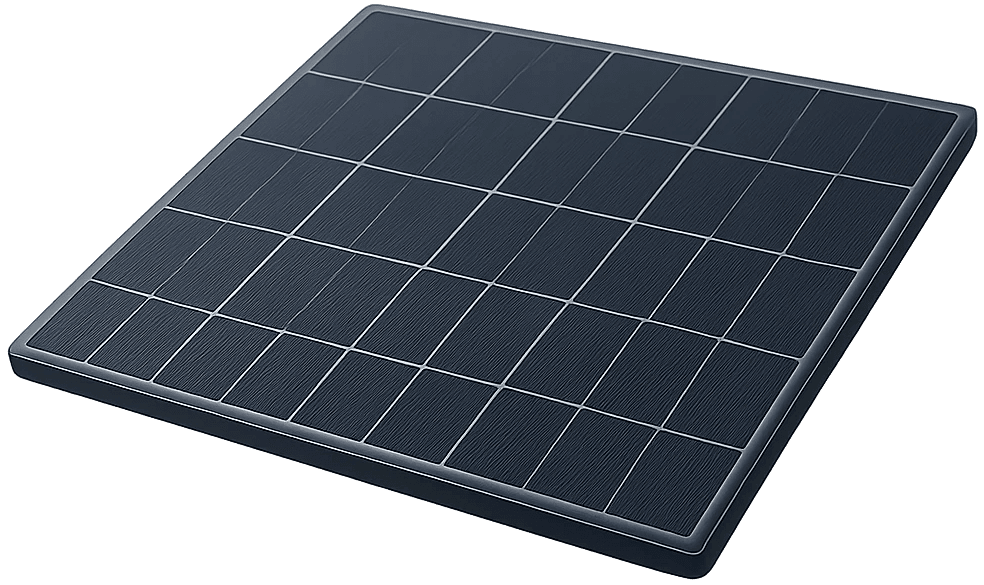
Solar shingles (BIPV — building-integrated photovoltaics): Individual shingles that double as roofing and as small solar panels. They interlock with standard non-active shingles to create a complete roof that looks nearly uniform from the street. Examples include GAF Energy Timberline Solar and Tesla Solar Roof.
Traditional panels mounted on a new roof: Not technically "solar roofing," but worth mentioning — many homeowners get the best value by installing high-efficiency solar panels on top of a new roof, rather than buying integrated shingles. Lower upfront cost, usually higher generation per dollar, but the panels are visible from the street.
Best for
A specific set of homes and homeowners.
Homes with good southern exposure and minimal shading
Homeowners planning to stay in the house 10+ years
Homes where the roof is visible from the street and aesthetics matter
Homeowners who want to offset Texas electricity costs long-term
New construction or full roof replacements (retrofit is possible but less cost-effective)
Key features
The reasons integrated solar is worth a real look in 2026.
Generates electricity — offsets or eliminates most of your power bill
Qualifies for the federal residential clean energy tax credit (currently 30% of the full installed cost through 2032)
Net metering available through Oncor and most retail electric providers in DFW
Built-in warranty on both the roof and the electrical generation
Integrated look that HOAs accept more readily than traditional panels
Material composition
A combination of roofing and electronics.
Tempered glass and encapsulation layers over photovoltaic cells
Standard roofing layers and materials underneath
Microinverters or optimizers per shingle or per section
Wiring integrated into the roof deck
Estimated lifespan
Long enough that the electronics, not the roof, usually wear out first.
Solar shingle roof itself: 25-30 years
Power output warranties: typically guarantee 80-85% of original output at year 25
Microinverters and electronics: 15-25 years, may need replacement before the shingles wear out
Non-active shingles in the same system: 25-30 years (same as the solar portion)
Cost range
The most expensive option we install — but the math changes once you factor in the tax credit and energy savings.
Installed cost: $10.00 – $25.00 per sq. ft. (depending on product and electrical system)
Federal residential clean energy tax credit: currently 30% off the full installed cost
Typical DFW payback period after credits and energy savings: 8-14 years
Roof lifespan extends well beyond the payback period, so years 15+ are effectively free power
Maintenance needs
Low, but not zero.
Annual inspection of electrical connections and monitoring system
Occasional panel cleaning (dust and pollen reduce output slightly)
Inverter or electronics replacement somewhere in the 15-20 year range
Standard roof maintenance for the non-active shingle portions
Monitoring software tracks performance and flags any dropoff
Visual style
The main reason people choose integrated solar over rooftop panels.
Low-profile, uniform look from the street
Dark charcoal or black is the most common appearance
Much less visible than traditional racked panels
Increasingly accepted by HOAs that would have rejected rack-mounted panels
Warranty options
Usually two separate warranties — roof and power.
Roof warranty: 25 years typical, sometimes longer
Power output warranty: 25 years, typically guaranteeing 80-85% of original capacity
Electronics and inverter warranty: 12-25 years depending on brand
Workmanship warranty through CWT: 15 years
Installation time
Longer than a standard roof because of the electrical work.
Solar shingle install: 5-10 days, plus electrical inspection and interconnection approval
Traditional panels on new roof: roof in 2-3 days, panels added in 1-2 days, interconnection separate
Oncor interconnection and permit-to-operate adds 2-6 weeks after install
Environmental impact
One of the few roofing decisions that reduces your carbon footprint in both directions.
Generates clean electricity for the life of the roof
Offsets grid electricity (in Texas, that's still majority natural gas)
Manufacturing does have a footprint, but payback in carbon terms is typically 2-4 years
Recyclable at end of life, though solar panel recycling is still a developing industry
Fire and weather ratings
Solid across the board.
Class A fire rating
Wind resistance up to 130 mph on most systems
Class 3 or Class 4 impact rating on most modern products — important in DFW hail country
Quality matters more with solar than with any other material. Cheap systems have cracked under hail that premium systems handled fine.
Available colors and styles
Limited color palette because the cells need to be dark to absorb sunlight.
Colors: Deep charcoal, black, dark slate
Styles: Integrated shingles (most common residential), solar tile (mimics clay or concrete tile, rare and expensive), traditional panels over new roof (cheapest per watt)
What you need to know before you commit
Solar roofing is a real option, but it's also the decision that requires the most research. A few things to think about.
Shading kills output: A solar roof on a heavily shaded lot is a waste of money. We do a shading analysis before any estimate — no shading, no sale. If your roof is shaded by oaks for most of the day, traditional asphalt is the right call and you can consider ground-mounted solar separately.
The tax credit matters: The federal residential clean energy credit (currently 30%) is the single biggest factor in whether solar roofing makes financial sense. If you don't have enough tax liability to use it, the credit is much less useful. Talk to your tax professional before committing.
Net metering varies: In DFW, Oncor handles interconnection and most retail electric providers offer some form of net metering or buyback program, but the rates and terms are all different. It's worth comparing providers before you commit, because the wrong plan can cut your savings in half.
Integrated vs. panels is a real tradeoff: Integrated solar shingles look nicer but cost more per watt generated. If aesthetics matter and your HOA is strict, integrated is worth the premium. If you're trying to maximize dollars saved, traditional high-efficiency panels on a new asphalt or metal roof usually come out ahead.
If solar is the right fit for your home, we can walk you through product options, financing, and utility interconnection. If it's not the right fit, we'll tell you that too.
Section Tag