Blog
Roof Repair vs. Replacement: How to Know What You Really Need
Author
Chris Patterson
Published
Jun 22, 2025
Category
Guides
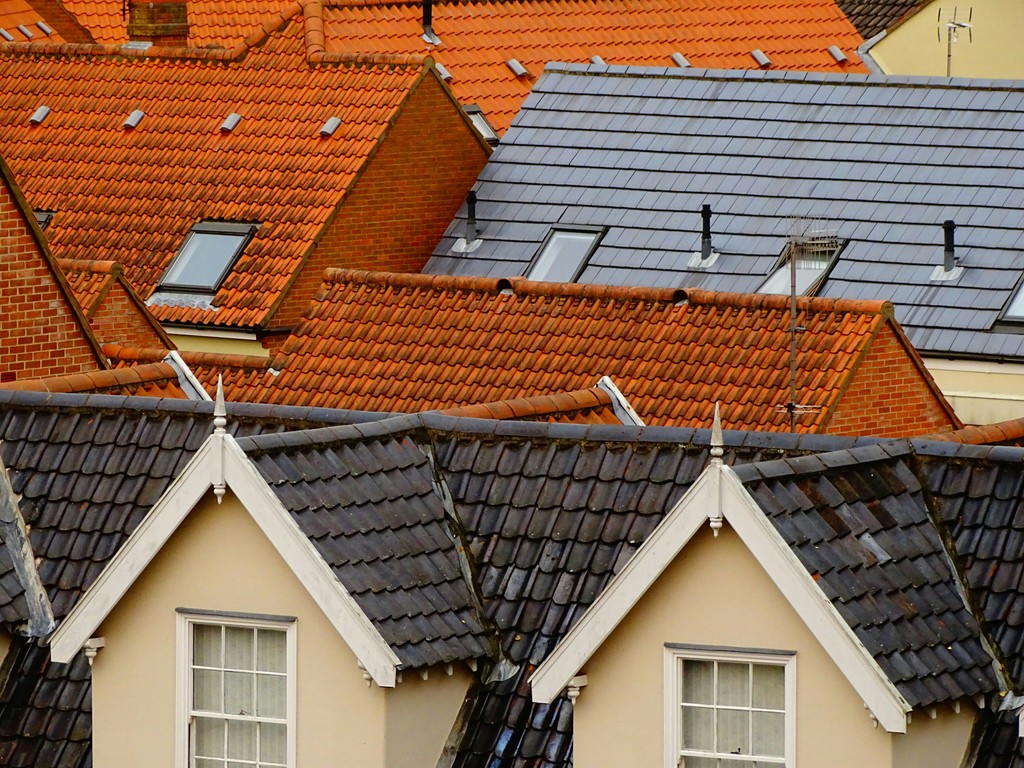
When something goes wrong with a roof, the first question most homeowners ask is "how much is this going to cost me." The real question underneath it is whether you're looking at a repair or a replacement, because the answer changes the number by a factor of ten. Here's how we actually think through it when we're up on a roof.
Start with the age
Age is the first thing we check, and it shapes everything else. A five-year-old roof with storm damage is a very different conversation than a twenty-year-old roof with the same damage, even if the visible problems look identical from the ground.
Rough lifespans for this climate:
Asphalt shingles: 20-25 years (Texas heat is harder on them than cooler climates, so the lower end is realistic)
Metal: 40-70 years
Clay or concrete tile: 50+ years
Flat or low-slope membranes: 15-25 years
If your roof is in the first half of its life and the damage is contained, repair makes sense almost every time. If it's in the back half and you're already on your second or third repair call, the math starts tipping the other way.
Look at how the damage is spread out
Localized damage — a few shingles missing from a wind event, a lifted section of flashing, one leak that traces back to one spot — is what repairs are designed for. There's no reason to tear off an entire roof to fix a problem that only exists in one area.
Replacement starts making sense when the damage isn't contained. Signs we look for: shingles deteriorating across multiple slopes, multiple active leaks in different spots, bald patches where granules have worn off in several areas at once, or visible sagging anywhere on the roofline. If you're calling for repairs every few months, that's the same signal in a slower form.
What's happening underneath matters more than what's on top
This is the part most homeowners don't see, and it's often the thing that tips the decision. When we get into the attic during an inspection, we're looking for soft spots in the decking, moisture in the insulation, stains on the framing, or mold on the underside of the sheathing.
If any of that's present, it means water has already been getting through, and you're not just replacing shingles anymore — you're replacing decking too. Once decking is involved, the cost gap between repair and replacement narrows considerably, and replacement usually comes out ahead when you look at what you're actually getting for the money.
Your timeline on the house
If you're selling in the next year or two, your decision is different than if you're staying for the next fifteen. For sellers, a clean roof shows up on inspection reports and affects offers, so in some cases a replacement pays for itself at closing. For long-term owners, a durable material with a longer lifespan — metal, Class 4 shingles — often costs less per year than going with the cheapest option twice.
Neither answer is wrong. But your plans should be part of the conversation with whoever is quoting you.
Be skeptical of contractors who skip the inspection
If someone tells you to replace before they've even been on the roof, or before they've looked in the attic, that's a red flag. This happens a lot in DFW after big hail events, when storm chasers roll through and try to close deals fast. Legitimate roofers ask questions, show you photos of what they found, and walk you through what they're seeing before they write an estimate.
If you're not sure about a quote, get a second opinion. We do this for customers regularly and we don't charge for it, even when the work ends up going to someone else.
What to do next
If you're trying to decide between repair and replacement and you don't have a clear read on which way to go, start with an inspection from someone who isn't going to push you one way or the other. We offer free inspections in the DFW area and we'll give you photos of what's up there along with honest options. Sometimes the answer is "just repair it and we'll see you in five years." That's fine with us. Give us a call and we'll come take a look.
Author
Chris Patterson
Chris is the calm in the middle of the roofing storm. Whether he’s juggling three site crews or answering your texts at 7am, he’s the reason every project stays on track and stress-free.
What’s better than insider perks, pro tips, and surprises?
Sign up to get the most recent blog articles in your email every week.
Other Blogs